Tag: making things

  • Make Don’t Break #MakeDontBreak

    Make Don’t Break #MakeDontBreak

    Continuing on from my 12 days of creativity over the holidays, I joined the #MakeDontBreak project and committed to making something every day in January, documenting it on Twitter. It was easier than I expected, easier to make the commitment and find something to do every day (lockdown helped with that, there aren’t an abundance of options right now), and easier in that I had already built up the momentum, and it was just a matter of continuing it.

    In the end, my projects fell under two main themes – things I made on the Glowforge, and a surprising amount of cross-stitch. There were a few other random mostly one-off projects just to mix things up bit.

    Lasering on the Glowforge

    Days: 1, 2, 3, 5, 6, 7, 12, 19, 20, 26.

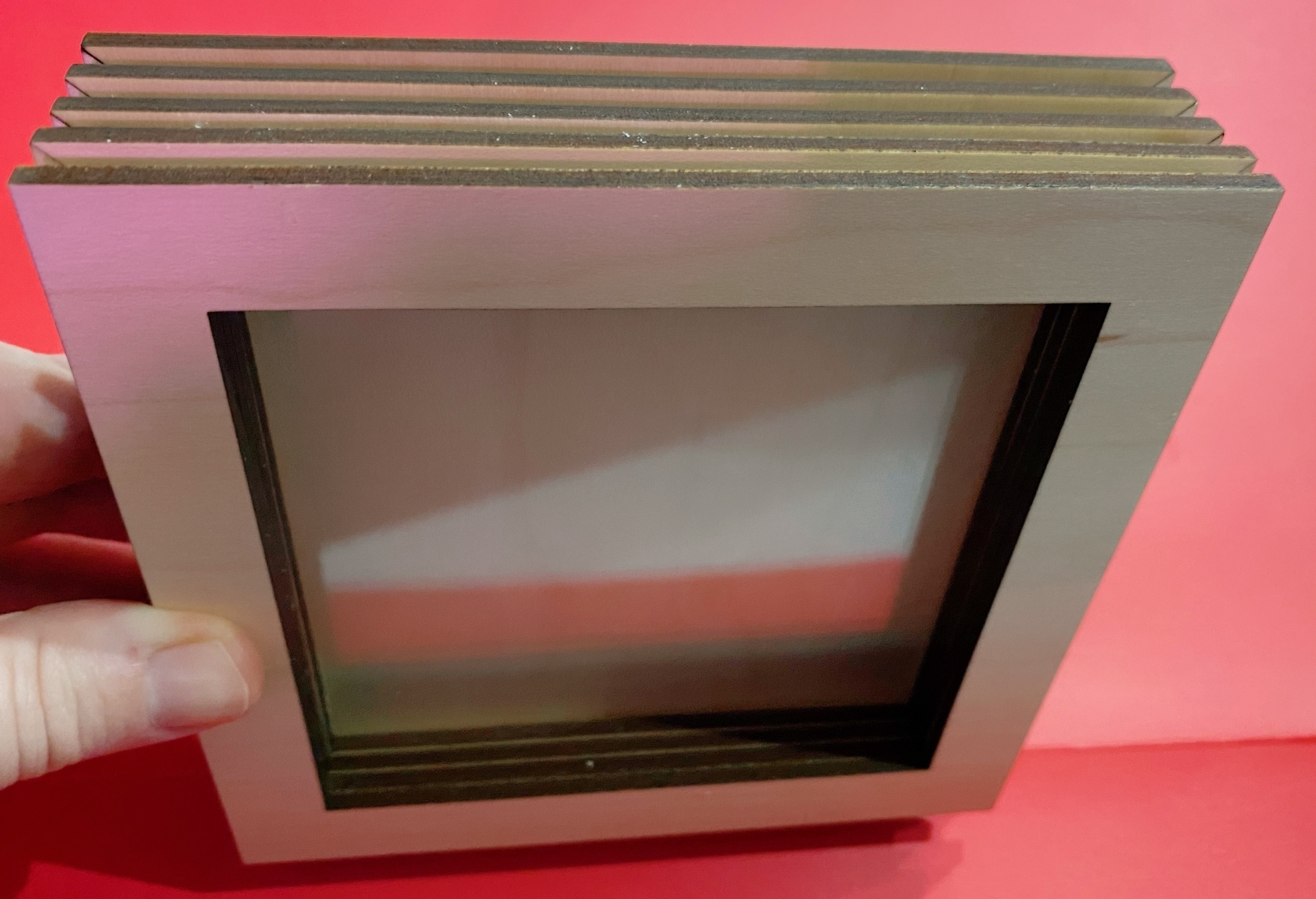
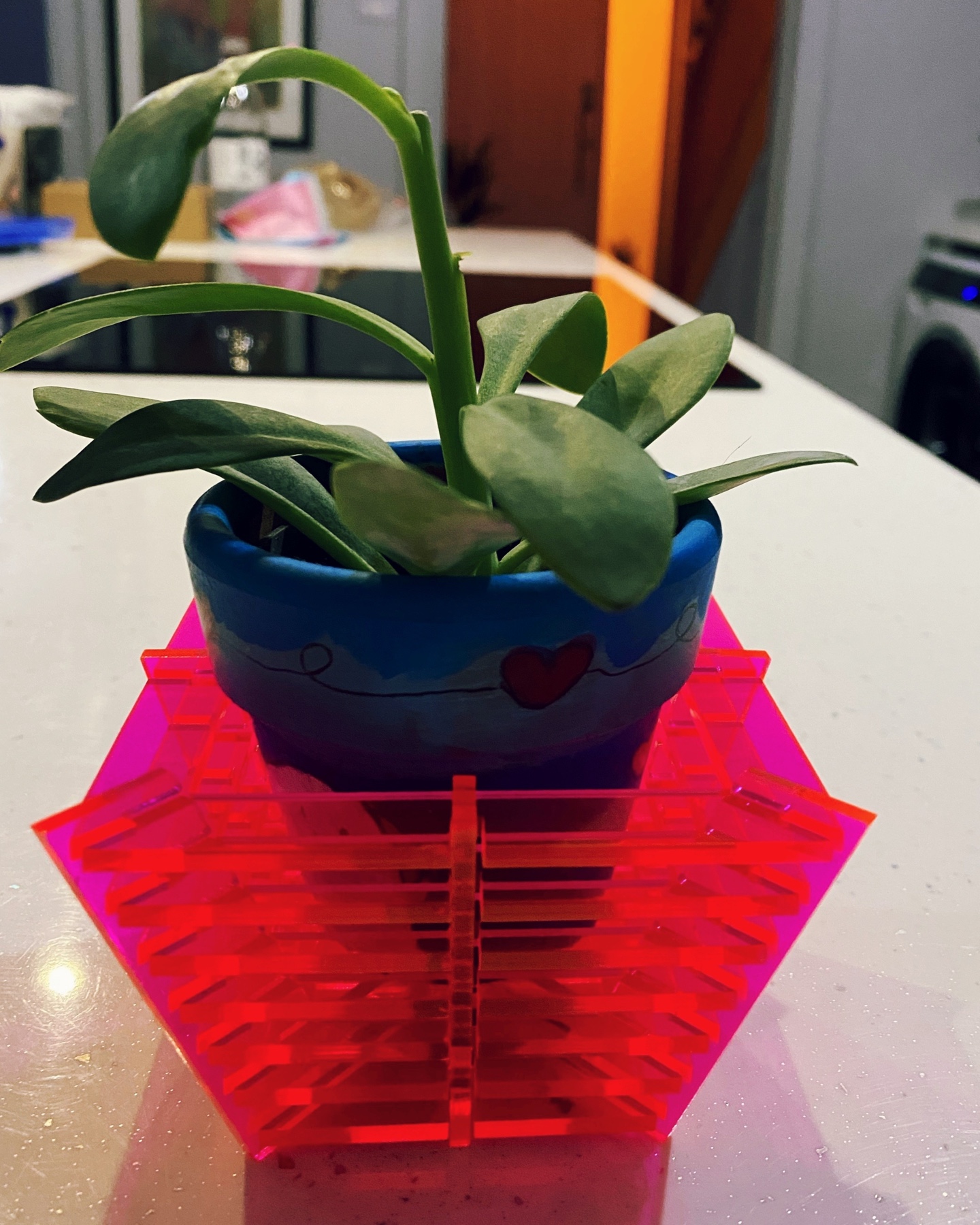
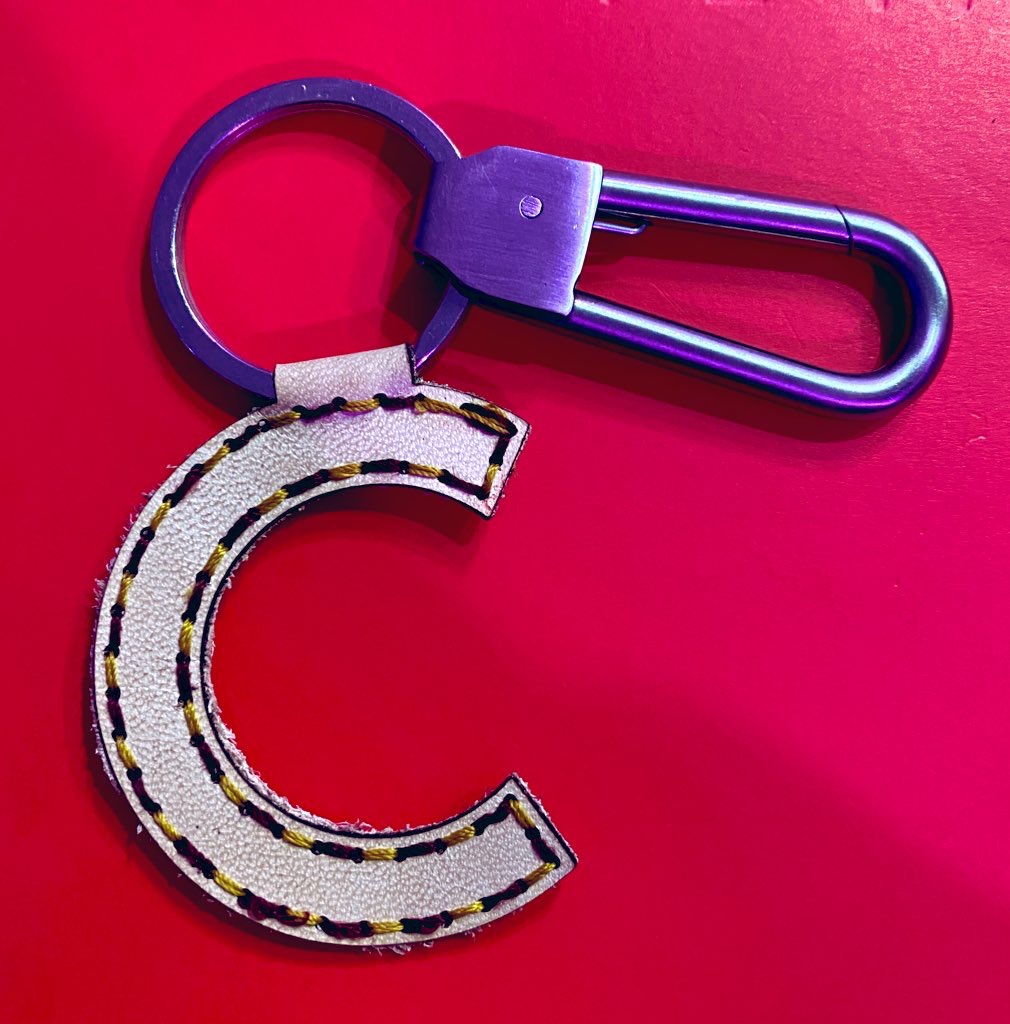
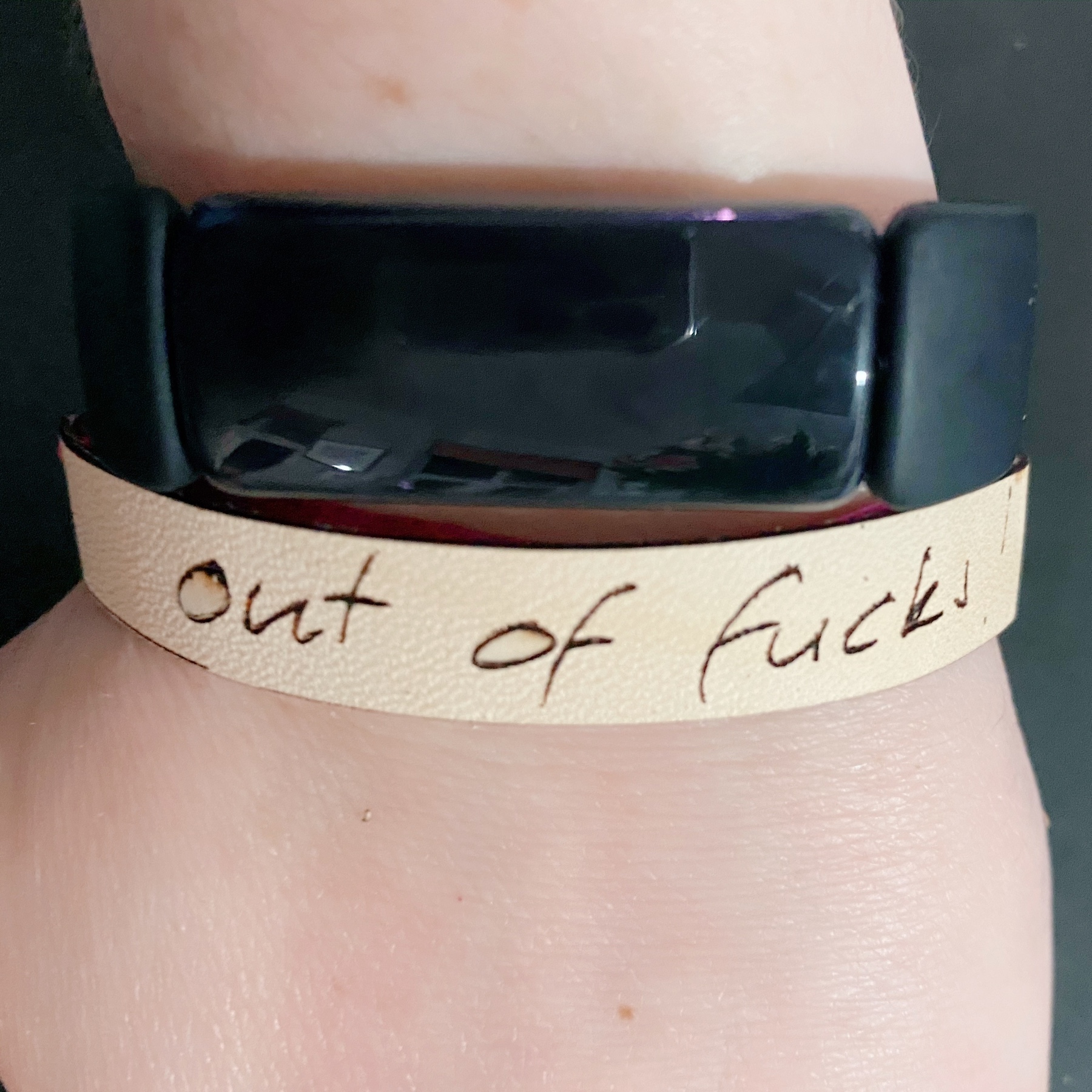
    Projects included: Retro camper desk organizer (x3, two different colors), keychains, custom bracelet, coasters, tiny planter, photo frame.

    I am still having a ton of fun with the Glowforge [referral link]. The main thing that stopped me from making more things was waiting for materials (international shipping – what a pain). I am super excited to make the tiny fluorescent acrylic planters in more colors, and two tone! I also have more ideas for things to do with photographs I’ve taken, maybe I will get to those in February.

    Cross Stitch

    Days: 2, 9, 10, 15, 16, 17, 18, 19, 21, 22, 23, 24, 25, 29, 30, 31
    8 pieces total (one almost finished – waiting on thread, one with substantially more to do).

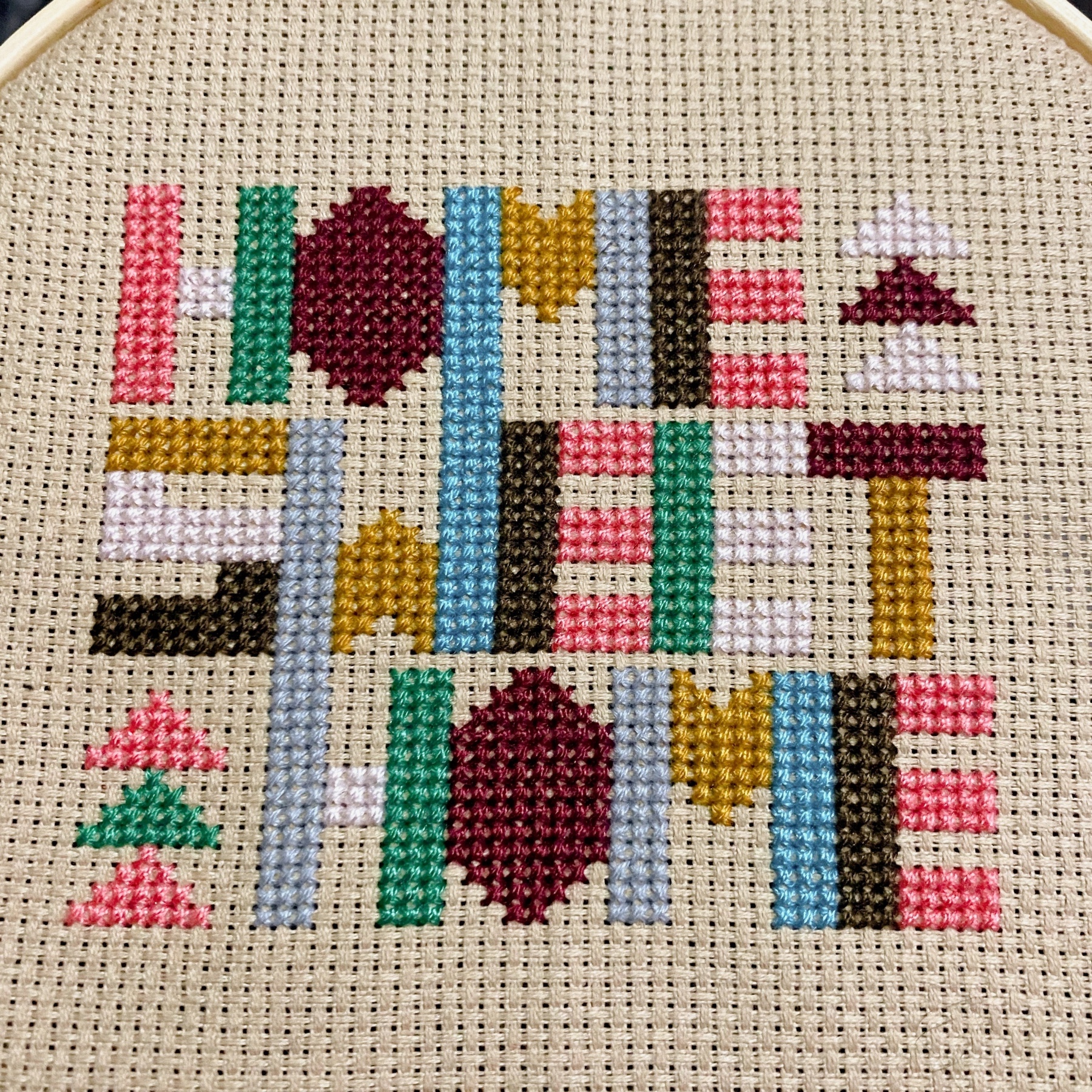
    Cross stitch was a surprise addition. Wanting to mix things up a bit, and having enjoyed making the owl toy in my 12 days challenge, I dug out a couple of cross stitch kits a friend had sent me ages ago. The first one was an ordeal (bring me tea), the second (the kitten!) even more so, but for some reason… I ordered a bunch more kits, including one for my partner to have a go. By the end of the month, I’m a lot better. Day 30 I did a similar pattern to the one I struggled with on day 2, and found it so much easier I could follow it whilst talking to a friend on the phone!

    My grandmother taught me to cross stitch when I was a kid, and it was nice to reconnect with that and remember her more clearly. It fulfils a similar function for me to video games – a level of focus that keeps me from getting distracted by the state of the world, but that leaves me feeling recharged.

    Miscellaneous Projects

    Days: 4, 8, 11, 13, 17, 27, 28, 30, 31

    Projects included: Friendship bracelet, home spa experience, cookies, writing, origami crane (least successful endeavour), dim sum, sunflower plants, candles.

    Some days I just wanted something different and often smaller; those projects are here. I made some friendship bracelets (another childhood hobby, turns out some friends still want them). One Friday night when I was feeling really fried after the week I “made” myself a home spa experience, another day I wrote a post that I’m excited to share sometime next week (subject to external publishing schedule). I made dim sum, which was nice, and a way for us to add another food into the mix – our meals are becoming increasingly eclectic as we try and mix things up.

    This was also a way that I tried to bring other people into the project with me. My mom sent me the origami paper and instructions, and the candle making kit. My partner and I planted the sunflower seeds and made the cookies together – which has turned into a weekly thing of making different ones each time and sharing them with the very few people we ever see.

    The Hardest Parts

    Honestly, not every day was easy, and some days I lacked the creativity and/or energy to do much. Those days were some of the most useful ones, that pushed me to look at self care through a lens of “making”.

    I have a terrible tendency to make everything into an optimization problem and then stall if I can’t solve it (not everything is an optimization problem… not everything should be an optimization problem… and yet). At the end of this project (and also after a month of this PQ course), I’m better at incremental progress (such as domestication, and skincare), at doing little and often rather than huge amounts at once.

    This project also forced me to plan, which I’m much better at when at work than in my personal life. I could claim my planning energy is used up by my job, but part of the problem was that I didn’t feel like I had time or control in my personal life – even though this is no longer true. But in this case, because I had committed to making the time, I had to plan what I would do each day.

    I had to confront my completionist tendencies. I started with a project each day but eventually realized this wasn’t always feasible and was on track to destroy what is left of my sleep schedule. As a result, in week three I had a single project (the fox cross stitch) that I worked on for most of the week. Leaving it unfinished every day, and feeling like my progress was barely visible was hard!

    Then, my perfectionist tendencies. The origami crane was a disaster, I was watching two videos, again and again, trying to figure out how to do it, but it’s very hard for me to process how a 2D image maps to 3D, and things were just going worse on the third attempt than the second. After the time I had for it (about an hour), I just had to call time and let it go. Origami is not for me!

    The Best Bits

    Overall the best way for me to describe this process was as “healing”. I feel calmer, and like I’ve found my attention span again.

    I have a new – totally unexpected – hobby. I will keep cross stitching. I’m also more and more comfortable with making things on the Glowforge, which is awesome.

    The clarity around these projects created a clear opportunity for deliberate practice which is hard to find. I could choose projects that suited what I wanted to improve next.

    Finally, it was something (positive) to bond with friends over, and a nice topic of conversation with people I don’t often speak to – who are also into making things! I suggested to my mom that she join me, and she picked up a long abandoned project too!

    What I Learned

    • Meaningful change really is possible in a month. Look at day 2 vs day 30’s cross stitch – similar pattern, but I found it so much easier.
    • I can get a surprising amount done in an evening after work, but it helps a lot to know what it is I want to get done (i.e. it’s easier to continue a project after work than start one).

    What’s Next?

    Obviously, I’ll continue making things – it’s been a really positive outlet for me. But perhaps not every day… as monthly challenges seem like a good way to get through lockdown, in February I’ll be focused on two different ones: reading, and exercise.

  • Lasers and Practical Skills

    Lasers and Practical Skills

    This slideshow requires JavaScript.

    I first “met” Dan a year ago, right after GHC last year. He reached out to me because of the stuff I’d been writing about men and male allies. We became twitter friends, and so I got to read a preview of his book – which is great, because I’d realized that Dan was someone I could get a lot of useful information from, if I knew what to ask. And then he wrote it down and O’Reilly published it, which is much more efficient for everyone.

    Since early this year I’ve been working with Glowforge, I started by working with them on their hiring process and technical interviews and they asked me to be an advisor, which is really cool. My understanding of what “advisor” means is basically: I talk to Dan, and other Glowforge peeps, and try to be helpful. This is pretty easy since I love doing all of these things! It’s awesome to work with people this interesting, building something so cool, who are so mindful of building an inclusive company. I’ve never felt so appreciated and valued by people I work with.

    I missed the sensation that was Glowforge at NYC Makerfaire by about 24 hours, but decided that Seattle was basically on the way to Toronto from Texas. And then I stretched reality a little more to decide that Seattle was on the way from Texas to Medellin (Colombia). I have no regrets though, because I got to spend around 72 hours hanging in Seattle and as many of them as possible with Dan and at Glowforge.

    This wasn’t part of the advisor description Dan sent me, but I gave myself the extra task of being the #1 Cheerleader for Team Glowforge. So of course I bought one on pre-order day. Despite the fact that I have 1) no artistic talent, 2) no practical skills, and 3) nowhere to live.

    You may be curious as to where you ship your Glowforge if you’re homeless? I had it shipped to my parents place. My mom thought I was deranged until I showed her the catalog of things she could make and now she’s calling it “her” Glowforge.

    Anyway, I finally got to make things with Dan on Sunday! Which was so cool. We made little charms with the Show and Hide app icon on them, and I got to draw on acrylic and have it cut out. Because I have no artistic talent I did the standard programmer thing of making a hello world… but now with MOAR LASERS.

    A magical evening of lasering took me from 25% excitement 75% anxiety (owning a thing! A large thing! A laser! That makes yet MORE THINGS! – Things are very stressful when you live in a series of hotels and AirBnBs) to 75% excitement 25% anxiety and I really do need to find somewhere to live before they ship. If my mom gets hold of mine I will never be able to get it away from her.

    I know a lot of women in Seattle, so we put on an impromptu #LadiesAndLasers night which was awesome. People made cool things with acrylic (and Nikki made me a hedgehog, which is amazing), and we had tons of fun.

    All of this to say: I’ve never even been to a makerspace. I haven’t touched any kind of Practical Making Device since I did a GCSE involving woodworking. There’s an enormous mill (named, creatively, “Milly”) and the laser that Dan used to make 3D Robot Turtles pieces in the office, large terrifying machines, that require goggles and precautions and, or so I imagine, Practical Skills. But the team has managed to build something that isn’t terrifying, which is so cool! At a high level I’m excited about the democratization of technology. Personally though, something that I never thought would happen has: I’m excited to make physical things.

    The pre-order campaign ends Friday and you can get yours here with $100 off from my referral code.

    Or if you’re looking for a job and can/will live in Seattle, they’re hiring.

  • The French Ski Problem

    The French Ski Problem

    skis mountain
    Credit: Flickr / Nils Rinaldi

    In 1988, there was a revolution in the ski industry. Previously, skis had been straight-edged and the skier controlled them through force and incline. The new shaped skis were parabolic, with a side-cut edge that caused the ski to turn when introduced to the snow. Pressure causes the ski to bend: more pressure, more bend, tighter turns.

    The whole way of skiing changed as a result. The stance got wider, the centre of gravity, lower. The turn became a way to accelerate, rather than a way to stop.

    But the French wouldn’t let a little thing like physics get in their way. They adopted the parabolic skis but continued to ski upright, legs close together, weight slightly back, cigarette and/or cellphone optional. They still managed to achieve impressive speeds – to even qualify as a ski instructor in France, you need to pass the “Test Technique” skiing within a percentage of the time of a professional skier – but they ski like no one else in the world.

    When talking about innovation, we often see what I call “The French Ski Problem,” the risk of focusing on novelty without application, rather than incremental improvements somewhere more widely applicable.

    If you are an innovator in the ski industry, you could make:

    1. Improvements to parabolic skiing: Useful to everyone.
    2. Improvements to straight ski technique on parabolic skis: Useful only in France.
    3. Improvements to straight ski skiing: Not useful anywhere.

    To which you might ask, who is worrying about (2) or (3), and the answer in skiing is: I have no idea. But in Software, (1) are human problems, (3) are made up engineer problems, and (2) is the nebulous space in between – often real solutions, to niche problems.

    (3) is infrastructure with no human benefit, because nothing actually wins out on technical superiority (e.g. that test framework that nobody actually uses). (2) is infrastructure with human benefit, that allows for better speed, or increased stability (e.g. Twitter’s move of their infrastructure, it’s been a long time since I saw the Fail Whale). And (1) addresses the pain points of real humans, allows them to do their jobs better, live richer lives (e.g. the invention of the smartphone). This is where we connect people to the people they love, even when they are thousands of miles apart. Where we make sense of huge quantities of data, so that they can make better decisions, or have improved medical care. Where we create platforms that allow people different and novel ways to make a living.

    My main point here is impact. A small incremental improvement of (1), is vastly more impactful than anything done at (2), let alone (3).

    A question to ask is, are we building infrastructure, or are we building a product (1)? If we’re building infrastructure, does it enable the product (2), or are we just… building infrastructure (3)?

    Real innovation doesn’t happen in a vacuum, it comes from solving problems. There’s a reason why incredible earthquake preparedness innovation comes out of New Zealand, that mobile innovation is brightest in the developing world (where cellphones are often people’s primary, or only device), and Silicon Valley is an endless source of products for rich young men.

    Thanks to Alice and Linda who helped with this post.